Introduction to Bernedoodles
Bernedoodles are a captivating hybrid dog breed that results from the crossbreeding of the Bernese Mountain Dog and the Poodle. Originating in the early 2000s, this breed was developed with the intention of combining the gentle temperament and loyalty of the Bernese Mountain Dog with the intelligence and hypoallergenic properties of the Poodle. The hybrid nature of the Bernedoodle allows it to inherit the best characteristics from both parent breeds, making it an increasingly popular choice among dog enthusiasts.
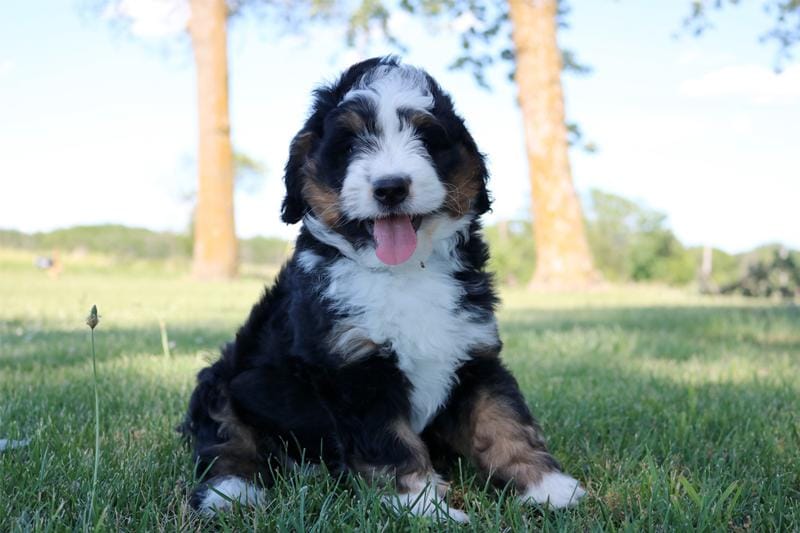
The Bernese Mountain Dog is known for its loving disposition and striking appearance, characterized by its tri-colored coat and large stature. These dogs are known for their calm demeanor, making them excellent companions and family pets. In contrast, Poodles are recognized for their high intelligence, trainability, and low-shedding fur, which is often valued by those who are allergic to pet dander. By blending these two distinct breeds, Bernedoodles tend to exhibit a delightful mix of playfulness, devotion, and adaptability.
One of the notable attributes of Bernedoodles is their versatility in size and appearance, depending primarily on whether they are bred from standard, miniature, or toy Poodles. Consequently, prospective dog owners can find a Bernedoodle that fits their lifestyle, whether they are looking for a larger companion or a smaller pet suitable for apartment living. Beyond their physical traits, Bernedoodles are renowned for their friendly and sociable nature, establishing them as excellent family dogs that get along well with both children and other pets.
This multi-faceted breed not only showcases the beauty of hybrid vigor but also proves to be a warm and loving addition to any household. With a combination of the Bernese Mountain Dog’s affection and the Poodle’s trainable spirit, Bernedoodles represent a harmonious blend that appeals to many dog lovers worldwide.
Understanding Bernedoodle Sizes
Bernedoodles are a unique and charming hybrid breed, resulting from the crossbreeding of a Bernese Mountain Dog and a Poodle. One of the significant factors that potential owners should consider is the size variation among Bernedoodles. These dogs are categorized according to the size of their Poodle parent, which influences their overall height and weight.
There are typically three main sizes of Bernedoodles: standard, mini, and toy. The standard Bernedoodle is the largest variant, typically standing between 23 and 29 inches tall at the shoulder and weighing anywhere from 70 to 90 pounds. This size is ideal for families with ample space and the ability to engage in regular exercise, given their energetic nature.

The mini Bernedoodle is a medium-sized option, standing about 18 to 22 inches tall and weighing between 25 and 49 pounds. This variation offers a slightly more compact companion while retaining the affectionate and gentle temperament typical of the breed. Mini Bernedoodles are particularly appealing for those who seek a smaller dog but still desire the loyalty and sociability of a Bernedoodle.
Lastly, the toy Bernedoodle is the smallest version. Weighing about 10 to 24 pounds and standing around 12 to 17 inches tall, these tiny dogs are perfect for apartment living or for owners looking for a portable and adaptable pet. All Bernedoodle sizes bring the loving and friendly nature of their Bernese Mountain Dog lineage along with the intelligence of Poodles, making them wonderful family pets.

Understanding the size ranges of Bernedoodles is crucial for potential owners, as it influences factors like living arrangements, exercise requirements, and overall care needed. This knowledge can aid in making an informed decision about which size fits best within a home’s lifestyle.
Physical Characteristics of Bernedoodles
Bernedoodles exhibit a fascinating array of physical characteristics, attributing their unique appearance to the combination of Bernese Mountain Dogs and Poodles. This hybrid breed can vary significantly in size and coat characteristics, largely determined by whether the Poodle parent is a standard, mini, or toy variety. For instance, a Bernedoodle with a standard Poodle parent will typically be larger, showcasing the majestic stature of the Bernese Mountain Dog combined with the elegance of the Poodle.

One of the most notable attributes of Bernedoodles is their coat, which can vary in type, texture, and color. The most common coat types include curly, wavy, or straight, often influenced by the Poodle’s gene. Many owners appreciate the hypoallergenic quality of their coat, which may also reduce shedding compared to purebred dogs. The coat colors can range widely, including striking and popular shades like sable, black, and tri-color combinations. These rich colours are reminiscent of their Bernese ancestry, enhancing their appeal while contributing to the dog’s overall aesthetics.
The general appearance of Bernedoodles brings together a blend of the refined Poodle and the robust Bernese Mountain Dog. They often possess a strong, muscular build with a square-shaped body and expressive, soulful eyes. Their ears tend to be long and can vary from slightly wavy to curly, complementing their diverse fur patterns. Additionally, the size of their snout and the shape of their head can change based on the parentage, but they usually maintain a balanced and harmonious look, making them delightful companions and visually alluring pets.
Bernedoodle Shedding and Grooming Needs
Bernedoodles, a hybrid breed derived from the Bernese Mountain Dog and Poodle, have become increasingly popular due to their appealing temperament and aesthetic qualities. One important aspect prospective owners should consider is the shedding tendencies of these dogs. The shedding behavior of a Bernedoodle can vary significantly depending on the coat type they inherit from their parent breeds.
Bernedoodles can have several different coat types: curly, wavy, or straight. Dogs with a Poodle-like curly coat are likely to shed less, making them a suitable option for allergy sufferers. Conversely, those that inherit a straighter coat may experience a bit more shedding. This variability means that every Bernedoodle can have different grooming needs and levels of maintenance. Understanding which coat type your Bernedoodle has is crucial in managing expectations regarding shedding.
Regardless of coat type, regular grooming is essential to maintain a healthy and clean coat while minimizing shedding. Frequent brushing helps remove loose hairs, dirt, and tangles that can accumulate, leading to more shedding if left unattended. For Bernedoodles with curly or wavy coats, using a slicker brush can be particularly effective in preventing mats and ensuring that the coat remains shiny and healthy. Bathing should occur every few months or as needed, using a gentle, dog-specific shampoo to maintain the skin’s natural oils.
In addition to brushing and bathing, regular visits to a professional groomer can be beneficial. Groomers can provide services like trimming and shaping, which not only maintain your Bernedoodle’s aesthetic appeal but also support overall coat health. Ultimately, by instituting consistent grooming practices, owners can significantly reduce shedding and keep their Bernedoodle looking and feeling its best.
The Temperament of Bernedoodles
Bernedoodles, a crossbreed of Bernese Mountain Dogs and Poodles, are widely recognized for their exceptional temperament. This unique blend results in a dog that embodies numerous positive personality traits, making them well-suited for a variety of roles, including as family pets, service dogs, and companionship animals.
One of the most notable characteristics of Bernedoodles is their friendly demeanor. These dogs are typically very social and thrive on interactions with people and other pets. Their innate friendliness contributes to their ability to form strong bonds with family members, making them excellent companions for both adults and children. Additionally, their playful nature ensures they are always eager to engage in activities that strengthen these relationships.
Intelligence is another defining trait of Bernedoodles. This breed not only possesses the intellectual curiosity of Poodles but also the willingness to please inherited from Bernese Mountain Dogs. As a result, they are highly trainable, and their eagerness to learn makes them ideal candidates for obedience training, agility courses, and even therapy work. This combination of intelligence and trainability allows them to excel in various environments and situations.
Moreover, Bernedoodles exhibit a gentle disposition. They are known for their calm and patient nature, which makes them especially suitable for families with young children or elderly individuals. Their sociable behavior often leads to an innate ability to sense the emotional needs of those around them. This sensitivity not only enhances their role as companion animals but also positions them as effective service dogs, assisting individuals with disabilities or emotional challenges.
In summary, Bernedoodles possess a harmonious blend of friendliness, intelligence, and gentleness, establishing them as one of the most desirable breeds for families and individuals alike. Their adaptability and loving nature underscore their appeal as versatile companions.
Health Considerations for Bernedoodles
Health considerations are an integral aspect of pet ownership, particularly for hybrid breeds like Bernedoodles. These dogs, a cross between Bernese Mountain Dogs and Poodles, can inherit health traits from both parent breeds. Understanding the common health concerns can help owners take proactive steps in ensuring their pets thrive.
One of the most significant health issues that Bernedoodles may face is hip dysplasia, a genetic condition often seen in Bernese Mountain Dogs. This abnormal formation of the hip joint can lead to arthritis and pain as the dog ages. As such, screening for hip dysplasia in both parent breeds before breeding is advisable. Regular check-ups with a veterinarian can aid in early detection and treatment, contributing to a higher quality of life for your Bernedoodle.
Another health concern is progressive retinal atrophy (PRA), a degenerative eye condition that can lead to blindness. Bernedoodles may inherit this condition from their Poodle ancestry. Regular veterinary eye examinations can provide early insights into potential issues, allowing for better management of the dog’s eyesight as it ages.
Additionally, Bernedoodles may be susceptible to certain skin conditions due to their mixed coat types. Maintaining a consistent grooming routine, including the use of suitable shampoos and frequent brushing, can prevent skin irritations and matting. This, combined with a balanced diet rich in nutrients, can significantly enhance their overall skin health.
The typical lifespan of a Bernedoodle ranges from 10 to 15 years. Regular veterinary check-ups are crucial to extend this lifespan and to manage any emerging health concerns effectively. Vaccinations, parasite control, and dental care are all essential components of maintaining the health of your Bernedoodle.
Training and Socialization Tips for Bernedoodles
Training a Bernedoodle can be a rewarding experience due to their high intelligence and eagerness to please. These dogs often inherit the intelligence of both the Bernese Mountain Dog and the Poodle, making them highly trainable. Effective training should start early, focusing on basic commands such as ‘sit,’ ‘stay,’ and ‘come.’ Using positive reinforcement techniques, such as treats and praise, can significantly enhance the learning experience, ensuring that training remains a positive endeavor for your Bernedoodle.
Consistency is key when training a Bernedoodle. Establishing a routine helps the dog understand expectations and minimizes confusion. Short training sessions, lasting around 5 to 10 minutes, are ideal to maintain their attention span. Incorporating fun games during training can also engage them further, as they thrive on mental stimulation. Activities such as hide-and-seek or treasure hunts can strengthen their ability to respond to commands while simultaneously allowing them to enjoy themselves.
Socialization is another critical aspect of raising a well-adjusted Bernedoodle. Early exposure to various environments, people, and other animals helps reduce the likelihood of behavioural issues later in life. Taking your Bernedoodle to different public spaces, dog parks, or obedience classes can facilitate positive interactions with new experiences. Allowing them to meet other dogs can also enhance their social skills, making them more comfortable in varied situations.
Lastly, remember that patience is necessary throughout the training and socialization process. Each dog learns at their own pace, and it’s essential to acknowledge their progress, regardless of how small it may seem. By nurturing their innate intelligence through effective training and socialization techniques, you can help your Bernedoodle develop into a confident and well-mannered companion.
Living with a Bernedoodle
Bernedoodles have gained significant popularity as companion animals due to their unique blend of the affectionate Bernese Mountain Dog and the intelligent Poodle. This hybrid dog possesses characteristics that make it suitable for various living environments, whether it be an apartment or a house with a yard. While they can adapt well to smaller living spaces, it is crucial to provide them with sufficient exercise and mental stimulation to prevent boredom.
In terms of exercise needs, Bernedoodles thrive on daily walks, playtime, and engaging activities. Generally, they require at least 30 to 60 minutes of exercise each day, depending on their size and energy level. For instance, standard Bernedoodles may require more extensive physical activity than their miniature counterparts. This is an essential aspect to consider, particularly for apartment dwellers, as a lack of exercise can lead to behavior problems.
Compared to other breeds, Bernedoodles are known for their friendly disposition, making them excellent companions for children. Their playful nature typically allows them to bond well with kids, demonstrating patience and gentle behavior during interactions. Nevertheless, supervision is advised, especially with younger children, to foster a safe environment for both the pet and the child.
Moreover, Bernedoodles usually get along with other pets, given their sociable character. Early socialisation will help them become well-adjusted dogs, ensuring they feel comfortable around various animals. In summary, whether in an apartment or a house with a spacious yard, Bernedoodles can flourish as long as their exercise and social needs are met, making them an ideal choice for families and individuals alike.
Conclusion: Is a Bernedoodle Right for You?
As we conclude our exploration of Bernedoodles, it is important to consider whether this hybrid breed fits into your lifestyle and family dynamics. The unique combination of the Bernese Mountain Dog’s gentle nature and the Poodle’s intelligence creates a dog that is not only affectionate but also versatile and trainable. Bernedoodles can range from standard to miniature sizes, accommodating a variety of living situations, but each size requires different considerations in terms of space and care.
Potential dog owners should reflect on their readiness for the responsibilities that come with dog ownership. Bernedoodles are known for their friendly demeanour; however, they thrive on social interaction and mental stimulation. Owners should be prepared to dedicate time to training, exercise, and companionship. Their sociable nature means they are not suited for long periods of solitude, which can lead to separation anxietyand behaviourall issues.
In terms of grooming, the Poodle influence means a Bernedoodle might require regular grooming to maintain coat health. This aspect should be factored into the overall commitment prospective owners can make. Additionally, understanding the health predispositions of both parent breeds can prepare you for potential veterinary needs down the line.
Finally, it is essential to match your lifestyle with the characteristics of a Bernedoodle. Those who enjoy outdoor activities may find a great companion in this breed, while individuals looking for a quieter, low-maintenance pet might consider other options. Ultimately, ensuring that a Bernedoodle aligns with your life is crucial before making such a significant commitment.