
Introduction
The Bernedoodle puppies near me have garnered substantial popularity as a hybrid dog breed that combines the friendly and intelligent nature of the Bernese Mountain Dog with the hypoallergenic qualities of the Poodle. This blend has resulted in a companion that is not only affectionate but also versatile, making the breed suitable for various types of families and lifestyles. With the Bernedoodle’s growing appeal comes the importance of understanding the different size classifications available for this breed, specifically Micro, Mini, and Standard sizes.
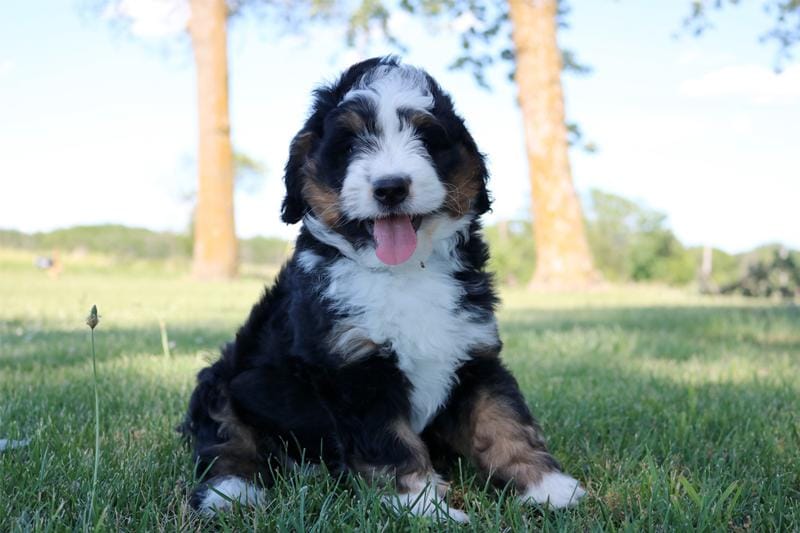
Choosing the right size of a Bernedoodle is crucial as it directly influences the dog’s overall care requirements, compatibility with various living environments, and the lifestyle choices of the owner. For instance, a Micro Bernedoodle might be more appropriate for individuals living in smaller apartments or urban settings, while a Standard Bernedoodle could be better suited for families with larger homes and ample yard space. Each size variation helps prospective owners select a dog that complements their available space and day-to-day activities.
Moreover, understanding the specific needs associated with each size category is essential in ensuring that the chosen Bernedoodle leads a healthy and happy life. For example, Mini and Micro Bernedoodles typically have different exercise and grooming needs compared to their Standard counterparts. As such, potential owners are encouraged to assess their personal preferences and living situations thoroughly before making a decision on which size of the Bernedoodle to welcome into their home.
As we proceed through this blog post, we will delve deeper into each size category, providing critical information that will help in making an informed choice when selecting a Bernedoodle. Understanding these distinctions is essential for prospective dog owners aiming to cultivate a balanced relationship with their future pet.
Understanding the Bernedoodle Breed: Bernedoodle Puppies Near Me
The Bernedoodle is a hybrid dog breed that results from crossing a Bernese Mountain Dog with a Poodle. This combination brings together the affectionate and gentle temperament of the Bernese Mountain Dog with the intelligence and low-shedding coat of the Poodle. As a designer breed, Bernedoodles come in various sizes, including micro, mini, and standard, each with its own unique attributes and care requirements.
One of the most notable characteristics of the Bernedoodle is its friendly and social nature, which makes it an ideal family pet. They are known to exhibit a gentle disposition, making them adaptable to various living situations. Their eagerness to please and high intelligence means they often excel in obedience training and can quickly learn commands and tricks.
Health traits in Bernedoodles can vary significantly depending on their size and genetics. While they generally inherit the health advantages from both parent breeds, it is essential to consider that larger dogs may be predisposed to certain conditions, such as hip dysplasia or other skeletal issues. Conversely, smaller Bernedoodles may encounter their own set of health challenges, including dental problems or patellar luxation. Therefore, prospective owners should ensure they select a responsible breeder who emphasizes health testing and genetics.
Another critical aspect of understanding Bernedoodles is their energy levels. Generally, these dogs require regular exercise and mental stimulation to remain happy and healthy. Engaging in activities such as daily walks or interactive playtime can help keep them physically and mentally fit. As each Bernedoodle’s energy requirements can vary by size, owners should consider these factors when determining the right size for their lifestyle and family dynamics.
Micro Bernedoodle: Characteristics and Considerations
Micro Bernedoodles, a delightful crossbreed between a Bernese Mountain Dog and a Toy or Miniature Poodle, are becoming increasingly popular among dog lovers. Their size typically ranges from 10 to 25 pounds, making them an ideal choice for those seeking a smaller canine companion. These dogs often stand between 12 to 17 inches tall at the shoulder, providing a compact option for families or individuals with limited space.
In terms of physical appearance, Micro Bernedoodles often exhibit a curly or wavy coat that can vary in color. Their fur is generally hypoallergenic, which is advantageous for those who suffer from allergies. Grooming needs for a Micro Bernedoodle are also considerable; regular brushing and professional grooming are recommended to maintain their coat and prevent matting. This grooming routine helps ensure not just aesthetic appeal but also promotes healthy skin.
Personality-wise, Micro Bernedoodles are known for their friendly and affectionate nature. They typically inherit the intelligence of the Poodle, making them easy to train, and the loyalty of the Bernese Mountain Dog, leading to a bond that is strong with their human family. These dogs are generally good with children and other pets, making them well-suited for active households. Additionally, their adaptable nature allows them to thrive in urban settings where they may not need extensive space to run.
While Micro Bernedoodles are generally healthy, potential health concerns such as hip dysplasia or eye conditions are worth noting. Prospective owners should consider these factors, alongside their ability to cater to the grooming and exercise needs specific to this breed. Ultimately, Micro Bernedoodles are best suited for families or individuals who prefer a smaller dog with a lively personality and a strong presence in their lives.
Mini Bernedoodle: Characteristics and Considerations
The Mini Bernedoodle is a delightful hybrid breed that results from crossing a Bernese Mountain Dog with a Miniature Poodle. Typically weighing between 10 to 50 pounds and standing about 12 to 20 inches tall at the shoulder, the Mini Bernedoodle is a smaller alternative to its Standard counterpart while still retaining its charming features and temperament. The size variations are influenced by factors such as the size of the Poodle parent used in the breeding process.
One of the defining characteristics of the Mini Bernedoodle is its friendly and affectionate nature. These dogs tend to exhibit a great deal of social behavior and adaptability, making them excellent companions for families, singles, or seniors alike. The temperament of a Mini Bernedoodle is generally balanced, showcasing a combination of playfulness from the Poodle and a gentle demeanor from the Bernese. This breed is usually eager to please, which contributes to its responsiveness to training efforts.
Energy levels in the Mini Bernedoodle are typically moderate; they enjoy playtime and require daily walks to stay healthy and happy. However, it is important to ensure that activity levels match their age and health. Prospective owners should also take training seriously, utilizing positive reinforcement techniques to foster good behavior, given their intelligent nature.
Considering lifestyle compatibility, Mini Bernedoodles thrive in various environments, including apartments or homes with yards. However, potential owners should be prepared for grooming needs, as their coats may require regular brushing and care. Lastly, like all dog breeds, Mini Bernedoodles can be susceptible to health issues, particularly those associated with their parent breeds, such as hip dysplasia or certain genetic disorders. Regular check-ups with a veterinarian are crucial to ensure the well-being of this charming breed.
Standard Bernedoodle: Characteristics and Considerations
The Standard Bernedoodle is a crossbreed resulting from the union of a Bernese Mountain Dog and a Standard Poodle. This breed typically exhibits a larger size, with an average weight range spanning from 70 to 90 pounds and a height of approximately 22 to 28 inches at the shoulder. The Standard Bernedoodle’s larger stature contributes to its distinctive physical characteristics, which include a sturdy build, a wavy or curly coat, and a broad head adorned with expressive eyes. Furthermore, the coat is often hypoallergenic, making it suitable for individuals with allergies who prefer a larger canine companion.
Behaviorally, Standard Bernedoodles are known for their intelligence and friendly demeanor. They generally inherit the affectionate traits of both parent breeds, resulting in a loving and devoted pet. These dogs are sociable and typically get along well with children and other pets, making them an excellent choice for families. Additionally, their playful nature encourages regular exercise, which is crucial to maintaining their physical and mental health. Standard Bernedoodles usually require at least an hour of daily activity, including walks, playtime, and mental stimulation, to prevent boredom and related behavioral issues.
When considering a Standard Bernedoodle, potential owners should also take into account certain health issues that are more prevalent in larger breeds. Conditions such as hip dysplasia, allergies, and certain types of cancers can affect larger dogs, including Standard Bernedoodles. Regular veterinary care, proper nutrition, and an active lifestyle are essential for mitigating these risks and ensuring a happy, healthy life.
Comparing Size Differences
The Bernedoodle, a delightful hybrid between the Bernese Mountain Dog and the Poodle, comes in three distinct sizes: Micro, Mini, and Standard. Each size offers unique characteristics that can significantly impact their care, temperament, and adaptability to various living environments.
The Micro Bernedoodle is typically the smallest of the three, weighing between 10 to 24 pounds and standing at about 10 to 17 inches tall. This size is particularly well-suited for apartment living as they require less space. Due to their small stature, they also require less exercise compared to larger sizes but still need regular walks and playtime to remain healthy and engaged.
In contrast, the Mini Bernedoodle generally weighs between 25 to 49 pounds and reaches a height of 18 to 22 inches. This size strikes a balance between being small enough for tighter living spaces while still allowing for a more active lifestyle. Mini Bernedoodles may require moderate exercise, including hikes and long walks, making them ideal for families with yards or those who enjoy outdoor activities.
Finally, the Standard Bernedoodle is the largest, weighing over 50 pounds and measuring 23 to 29 inches tall. This larger size necessitates a more spacious environment and a consistent exercise routine, including longer walks and active play sessions. Their larger frame often correlates with a calmer temperament, making them suitable for families with ample space to accommodate their needs.
When considering which Bernedoodle size will fit your lifestyle, it is essential to evaluate your living situation, exercise preferences, and the time you can dedicate to training and socialization. Each size has its own charm and appeal, thereby ensuring that prospective owners can find a suitable match for their home and family dynamic.
Health Considerations for Different Sizes
When considering the health of your Bernedoodle, it is vital to understand that different sizes may have varying health concerns due to their genetic background and physical attributes. The Bernedoodle, irrespective of its size – whether Micro, Mini, or Standard – can be prone to certain hereditary conditions. However, the prevalence and severity of these conditions can change based on the size of the dog.
Micro Bernedoodles, as the smallest variant, often face specific challenges, including dental issues, respiratory ailments, and luxating patellas. Given their smaller stature, the risk of injury or trauma is heightened, particularly with larger dogs or in bustling environments. Their lifespan tends to be the longest among the sizes, with many living into their late teens with proper care.
Mini Bernedoodles can experience some of the health issues seen in both Micro and Standard sizes. Common conditions include hip dysplasia and eye disorders, underscoring the need for regular veterinary check-ups. This size typically has a balanced lifespan, often ranging between 12 to 15 years, contingent on genetic health factors.
Standard Bernedoodles are usually more robust due to their size. However, they may be predisposed to health issues like bloat, osteosarcoma, and joint dysplasia. Their lifespan averages between 10 to 14 years, which is a bit shorter than their smaller counterparts. Selecting a reputable breeder who conducts genetic testing on parent dogs is critical to mitigate these health risks across all sizes. Responsible breeders can significantly decrease the possibility of passing on genetic disorders, ensuring a healthier puppy. Owners must consider these health considerations carefully when deciding on which Bernedoodle size best fits their family and lifestyle.
Choosing the Right Size for Your Lifestyle
When selecting a Bernedoodle, the size of the dog plays a crucial role in ensuring it aligns with your lifestyle and living situation. Bernedoodles come in three main sizes: Micro, Mini, and Standard. Each size caters to different living environments, activity levels, and family dynamics.
Firstly, consider your living space. If you reside in a small apartment or have limited outdoor space, the Micro or Mini Bernedoodle may be a more suitable option. Their compact size allows them to adapt to confined areas without compromising their energy levels or overall happiness. In contrast, if you have a spacious home or a large yard, the Standard Bernedoodle can thrive in such an environment, enjoying the freedom to roam and play.
Activity level is another essential factor. Micro and Mini Bernedoodles typically require less exercise than their Standard counterparts, making them ideal for individuals or families who prefer a more relaxed lifestyle. However, they still need daily walks and playtime to stay healthy and engaged. On the other hand, Standard Bernedoodles tend to be more energetic and may require more rigorous exercise routines and activities to meet their higher energy needs.
Family dynamics also play a significant role in selecting the right size. For families with young children, a Mini or Standard Bernedoodle can be an excellent choice, as they tend to be more playful and tolerant of children’s antics. Conversely, for individuals or couples without children, a Micro Bernedoodle might provide companionship in a less demanding way, fitting seamlessly into a quieter home environment.
Ultimately, choosing the right Bernedoodle size is a personal decision that should reflect your lifestyle, space, and family needs. By carefully evaluating these factors, you can make an informed choice that ensures both you and your new furry friend will be happy together.
Conclusion and Final Thoughts
Choosing the right size of Bernedoodle, be it Micro, Mini, or Standard, is a significant decision that requires careful consideration of several factors. Each size offers unique characteristics, temperament, and care requirements that cater to different lifestyles. Understanding these differences is paramount for potential dog owners who wish to ensure that their new pet integrates harmoniously into their home.
The Micro Bernedoodle, for instance, tends to be best suited for apartment living or for individuals who prioritize ease of handling. The Mini Bernedoodle, balancing size and temperament, serves as an excellent option for families with young children or those who enjoy outdoor activities. Meanwhile, the Standard Bernedoodle, with its larger frame, typically requires more space and exercise, making it an ideal companion for active households.
Before welcoming a Bernedoodle into your life, it is essential to reflect on your lifestyle, living situation, and commitment level. The maintenance needs, energy levels, and overall temperament of each size are vital considerations that can influence your experience as a pet owner. By doing thorough research and assessing compatibility, you can find the Bernedoodle size that aligns with your expectations and ability to provide the necessary care.
Ultimately, the goal is to foster a loving and sustainable relationship with your Bernedoodle. Understanding their specific needs based on size will pave the way for enjoyable companionship, enhancing your life and ensuring your pet’s well-being for many years to come.