Introduction to Bernedoodles and the Merle Pattern
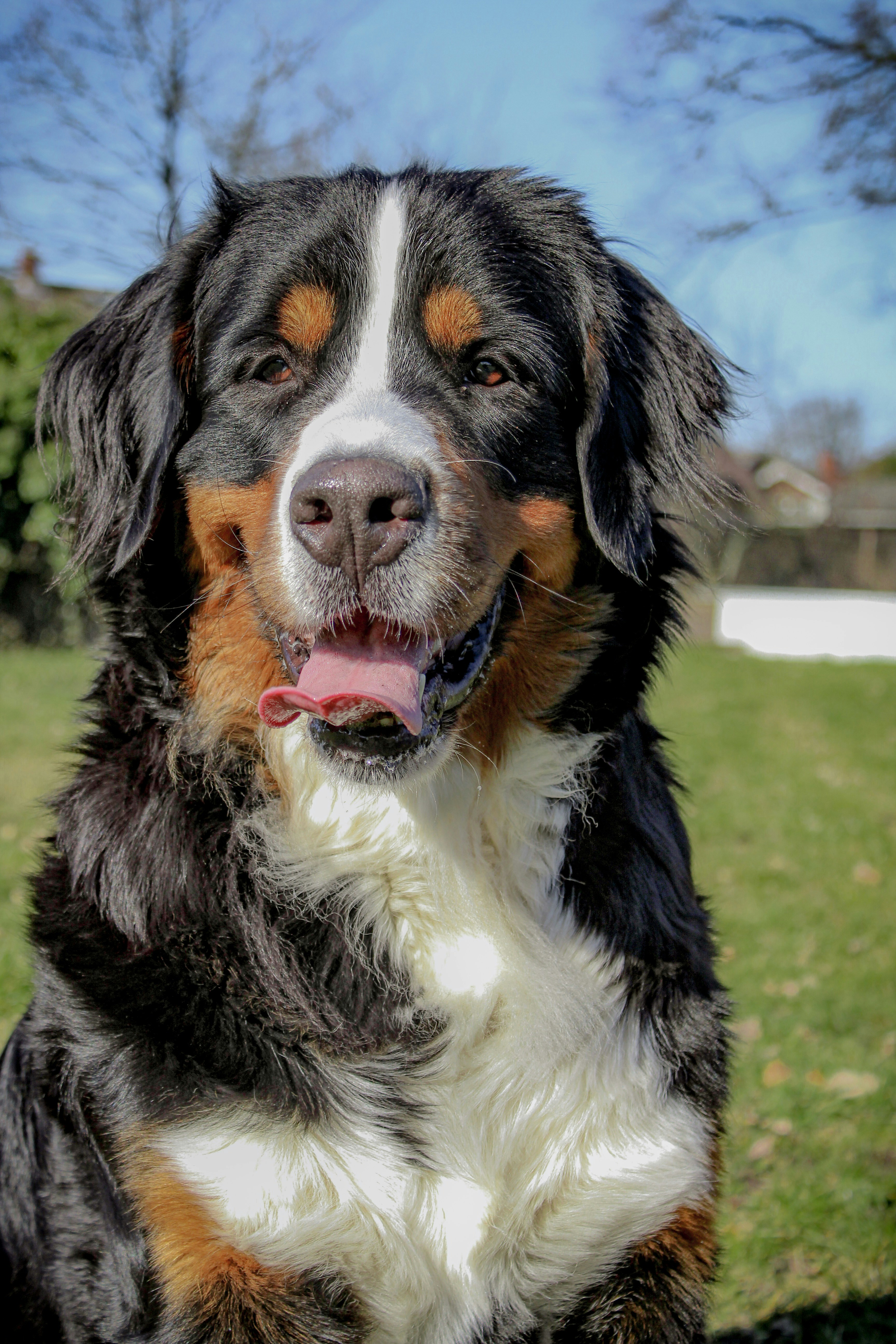
Bernedoodles are a captivating hybrid breed resulting from the cross between the Bernese Mountain Dog and the Poodle. Combining the affectionate and gentle nature of the Bernese with the intelligence and hypoallergenic qualities of the Poodle, these dogs have gained immense popularity among dog enthusiasts and families alike. Bernedoodle breeders: One of the most striking characteristics of Bernedoodles is their coat, which can come in a variety of colors and patterns, including the increasingly desirable merle pattern.
The merle coat pattern is visually stunning, featuring unique patches of diluted color appearing alongside a darker base hue, which creates an eye-catching and vibrant appearance. This distinctive pattern not only appeals to prospective dog owners but also brings a touch of uniqueness to the Bernedoodle breed. The aesthetic beauty of merle-patterned dogs makes them stand out in a crowd, and many dog lovers appreciate the individuality that such a pattern conveys.
Despite the allure of the merle coat, it is important to recognize the complexity of breeding for this pattern. The genetics behind the merle coat are intricate and can pose potential health risks to the dogs involved. A comprehensive understanding of the genetic markers associated with the merle pattern is essential in responsible breeding practices. This ensures that breeders are aware of the risks associated with breeding merle to merle dogs, which can lead to significant health issues in the offspring.
As we delve deeper into the beauty, appeal, and ethical considerations surrounding the merle pattern in Bernedoodles, it is crucial to balance the desire for aesthetically pleasing pets with the responsibility of maintaining sound breeding practices. The following sections will explore the genetic foundation of the merle pattern, its implications for breeding, and ethical considerations that arise within this context.
Understanding the Genetics of the Merle Pattern
The merle pattern in Bernedoodles is a fascinating subject, rooted deeply in the principles of genetics. The gene responsible for the merle coat coloration is known as the “Merle gene,” which can create a unique and beautiful array of patterns in a dog’s fur. This gene produces a distinctive mottled or patchy look within the coat color, often leading to the striking visual appeal seen in many Bernedoodles.
In terms of genetic inheritance, the merle gene operates as a dominant trait. This means that a single copy of the gene is sufficient to produce the characteristic merle appearance. Consequently, if one parent is merle, there is a significant chance that some of their offspring may also exhibit this pattern. Conversely, if both parents lack the merle gene, the likelihood of producing merle-patterned puppies becomes virtually nonexistent.
It is important to consider the implications of breeding when it comes to the merle pattern. Responsible breeders must carefully analyze the lineage and genetic health of both parent dogs. Breeding two merle dogs together can lead to genetic complications, such as producing puppies with health issues due to the double merle trait, which can result in severe health problems, including visual and auditory impairments. To mitigate these risks, breeders often utilize color genetics tests to ascertain if a dog carries the merle gene.
Through understanding basic genetic principles and the dominant-recessive relationship of coat colors, breeders can better predict the likelihood of merle-patterned puppies in their litters. Education about genetics allows responsible breeding practices, optimizing the health and well-being of both the puppies and their parents in the process.
The Beauty of the Merle Coat: Variations and Traits
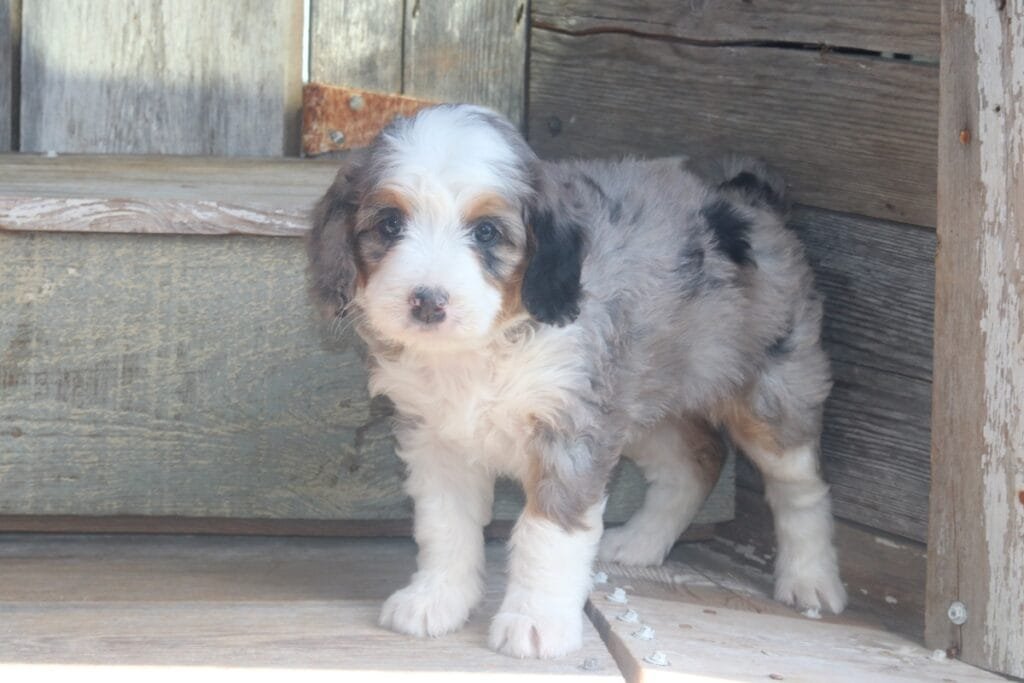
The merle pattern in Bernedoodles is renowned for its striking appearance, a delight for many dog enthusiasts. Characterized by a mottled coat, this pattern features a combination of color patches interspersed with lighter and darker shades. Such variation contributes to the unique aesthetic that merle-coated Bernedoodles present. The beauty of this coat extends not only to its visual appeal but also to the favorable individual features that emerge from the interplay of colors.
One notable variation is the blue merle, which exhibits a stunning blend of gray and black hues, often accented by white markings. This variant can evoke a captivating, ethereal look, raising the interest of potential pet owners. Another attractive option is the chocolate merle, where the base chocolate color is enriched with shades of tan or cream, yielding a warm, inviting appearance. These variations possess a unique charm that captures the essence of the merle pattern, making each Bernedoodle a distinct representation of beauty.
Moreover, the merle coat does not adhere to a single color scheme; rather, it can feature various combinations, such as merle seen with black, red, or sable coats. Each combination brings forth a different visual narrative, enhancing the overall allure of the breed. Their patterns are not uniform, creating a canvas of diversity that reflects their individual personalities.
Thus, it is through these mesmerizing combinations and variations that the merle coat captivates dog aficionados. Understanding these traits allows potential owners to appreciate the aesthetic diversity of Bernedoodles further, fostering a deeper connection with these remarkable companions.
Health Implications of the Merle Gene
The merle gene, revered for its distinct and striking coat patterns in Bernedoodles, carries with it not only aesthetic appeal but also significant health implications. When breeding, it is crucial to understand the associated risks and genetic disorders linked to this particular coloration. The most notable concern arises when a merle is bred to another merle, which can result in offspring that carry serious health issues.
Dogs that inherit two copies of the merle gene, known as homozygous merles, are at an increased risk of developing a range of severe health complications. These can include vision and hearing impairments, as the merle gene affects the pigmentation in these sensory systems. Specifically, homozygous merles are more likely to be blind or deaf, conditions that can significantly impact their quality of life and the human-animal bond.
Furthermore, there may be other physical abnormalities associated with the excess pigment variations created by this gene. Such disorders can manifest in developmental issues, increased susceptibility to skin problems, and other systemic conditions. Thus, responsible breeders must be acutely aware of these potential complications when selecting breeding pairs. By avoiding the practice of breeding merle to merle, breeders can significantly mitigate the risks of producing unhealthy puppies.
To ensure the health and welfare of Bernedoodles, breeders should conduct thorough genetic testing and health screenings prior to breeding. This will help identify any hereditary issues and guide decision-making towards breeding combinations that prioritize the health of the dogs. Education and adherence to ethical breeding practices are paramount in the pursuit of not only beautiful merle-patterned dogs but also ones that lead robust, healthy lives.
Breeding Ethics: The Controversy Surrounding Merle in Bernedoodles
The intentional breeding of merle-patterned Bernedoodles has ignited a significant ethical debate within the dog breeding community. Proponents often highlight the appealing visual characteristics of the merle coat, which can include vibrant color patterns and unique markings. However, these aesthetic traits can overshadow the critical concern for the health and well-being of the animals involved in such breeding practices.
One of the primary ethical issues pertains to the genetic implications of merle breeding. The merle gene is known to be a dominant gene, but it can also lead to serious health complications, particularly when two merle dogs are bred together. This practice can result in a higher incidence of deafness, vision impairment, and other congenital defects among the offspring, raising questions about the responsibility of breeders to prioritize the welfare of the dogs over marketability and profit.
Various breed organizations have taken stances on this issue, advocating for a careful examination of the genetics involved in breeding merle-patterned Bernedoodles. The American Kennel Club and the Bernese Mountain Dog Club of America, for instance, have even expressed concerns over the potential risks associated with seeking merle coats at the expense of genetic health. Responsible breeders are urged to consider these factors seriously and to engage in practices that promote genetic diversity and health stability rather than solely focusing on physical appearance.
The discussions surrounding breeding ethics not only reflect the responsibilities of breeders but also influence potential owners of Bernedoodles. Educating oneself about the implications of merle breeding is essential for prospective pet owners who wish to support ethical breeding practices. Ultimately, the priority should rest on ensuring a healthy lineage that fosters the longevity and welfare of the breed, rather than succumbing to trends that prioritize beauty over genetic health.
Responsible Breeding Practices for Merle Bernedoodles
The breeding of Merle Bernedoodles necessitates a firm commitment to ethical practices that prioritize the health and well-being of all dogs involved. Responsible breeders should start by incorporating rigorous health testing protocols to assess the genetic health of their breeding stock. This includes screening for common breed-specific conditions such as hip dysplasia, eye disorders, and heart diseases, which can significantly impact the quality of life for both the parent dogs and their puppies.
Proper mate selection is equally crucial when breeding Merle Bernedoodles. It is vital to avoid breeding two Merle-patterned dogs together, as this can result in serious health issues for the offspring, including hearing and vision problems. Breeders should prioritize genetic diversity and select mating pairs based on a combination of desirable traits, such as temperament, conformation, and health status, in accordance with established breeding standards. This approach helps to produce well-balanced puppies that embody the best characteristics of their parent breeds.
Furthermore, adherence to breeding standards involves not only genetic considerations but also socialization practices. Puppies should be raised in a nurturing environment where they can interact with various stimuli and experience early socialization. This ensures that they grow into well-adjusted pets. It’s also essential for breeders to provide ongoing support to puppy buyers, facilitating responsible pet ownership and long-term wellness.
In conclusion, ethical breeding strategies for Merle Bernedoodles hinge on comprehensive health testing, careful mate selection, and adherence to established breeding standards. By following these guidelines, breeders can contribute to the long-term health benefits and overall welfare of both the puppies and the breed itself.
Merle Bernedoodles vs. Other Patterns
The merle pattern in Bernedoodles is often celebrated for its striking appearance, but it is only one of several attractive patterns that can manifest in this hybrid breed. Each pattern carries its unique aesthetics and genetic implications, making them appealing to different prospective dog owners.
One of the most recognized alternatives to the merle pattern is the sable pattern. Sable Bernedoodles showcase a rich mix of color, typically presenting a darker coat with lighter tips. This pattern appears significantly different from the merle, which has irregular patches and a lighter base color compared to the darker shades seen in sable dogs. Genetics-wise, sable color is influenced by a different set of alleles, leading to a variety of looks that can be quite distinct from the classic merle pattern.
Parti-colored Bernedoodles, another prevalent pattern, have a striking two-color combination, often featuring a white base with splashes of another color, typically brown or black. This pattern offers a bold visual contrast and hence is often favored for its eye-catching appearance. From a genetic perspective, the parti gene alters the way color expresses itself, which differs fundamentally from the merle gene’s influence.
In addition, the phantom pattern displays a more understated elegance, characterized by specific markings in two colors, with one of them usually being black. This pattern creates a contrast that enhances the dog’s features, making it appealing to many dog owners who prefer a more classic look without the unpredictability associated with merle genes.
Overall, while merle Bernedoodles occupy a beloved niche due to their unique look, patterns such as sable, parti, and phantom each bring their charm and genetic stories. Ultimately, the desirability of these patterns varies by individual preferences and trends within the dog community, leading to diverse choices among potential owners.
What to Consider When Adopting a Merle Bernedoodle
Choosing to adopt a merle Bernedoodle requires thoughtful consideration of various factors that go beyond mere aesthetics. First and foremost, potential dog owners should assess the temperament of a Bernedoodle. Known for their intelligence and friendly disposition, these dogs typically exhibit a gentle nature, making them suitable family companions. However, individual temperament can vary, so meeting the puppy’s parents can provide insight into their potential behaviour.
Next, understanding exercise requirements is crucial, as Bernedoodles are active dogs. They thrive on daily exercise, which can include walks, playtime in a secure yard, and mental stimulation through training sessions. A lack of sufficient activity may lead to boredom and undesirable behaviors. Thus, prospective owners should evaluate their ability to commit time to meet these needs.
Grooming is another important consideration. The merle Bernedoodle’s coat can range from wavy to curly, necessitating regular grooming to maintain its health and cleanliness. Weekly brushing is typically recommended to prevent matting and reduce shedding. Additionally, how often the dog will require professional grooming should also be factored into the budget and time commitment.
Health care is a key component of dog ownership, especially when considering specific issues associated with the merle gene, such as potential hearing or vision problems. When working with breeders, inquire about health screenings for genetic conditions commonly seen in both Bernese Mountain Dogs and Poodles. A reputable breeder should provide this information upfront and be willing to discuss the implications of merle genetics.
Ultimately, potential adopters should be well prepared and informed, ensuring they can provide a loving and responsible home for a merle Bernedoodle.
Conclusion: Celebrating Ethical Breeding of Beautiful Dogs
Throughout this discussion, we have delved into the fascinating world of the merle pattern in Bernedoodles, shedding light on its beauty, underlying genetics, and the ethical considerations surrounding breeding practices. The merle pattern serves not only as a visual delight but also represents the complexity of canine genetics. Understanding these genetic principles is paramount in ensuring that the breeding of Bernedoodles remains reputable and responsible.
As we’ve explored, the merle coat can be associated with both aesthetic appeal and potential health implications. Thus, breeders need to prioritize the health and well-being of their dogs above all else. Engaging in responsible breeding practices mitigates the risks associated with genetic disorders and ensures that all puppies are born healthy and can enjoy long, fulfilling lives. Ethical breeders perform necessary health testing and do not breed merle to merle, as this can result in significant health issues for puppies.
We encourage readers to celebrate the unique beauty of the merle pattern found in Bernedoodles and appreciate the artistry that nature provides. However, with beauty comes responsibility; potential dog owners should research and support breeders who adhere to ethical breeding standards. This not only ensures they receive a healthy pet but also promotes the welfare of future generations of Bernedoodles.
In essence, recognizing the intricate relationship between beauty, genetics, and ethical breeding practices will contribute to a more informed and compassionate dog ownership experience. As lovers of this enchanting breed, let us commit ourselves to advocating for responsible breeding and the well-being of our beloved Bernedoodles.